Skip to main content
Air Accelerates Mission Readiness for a U.S. Nuclear Supercarrier
September 2, 2026
September 2026
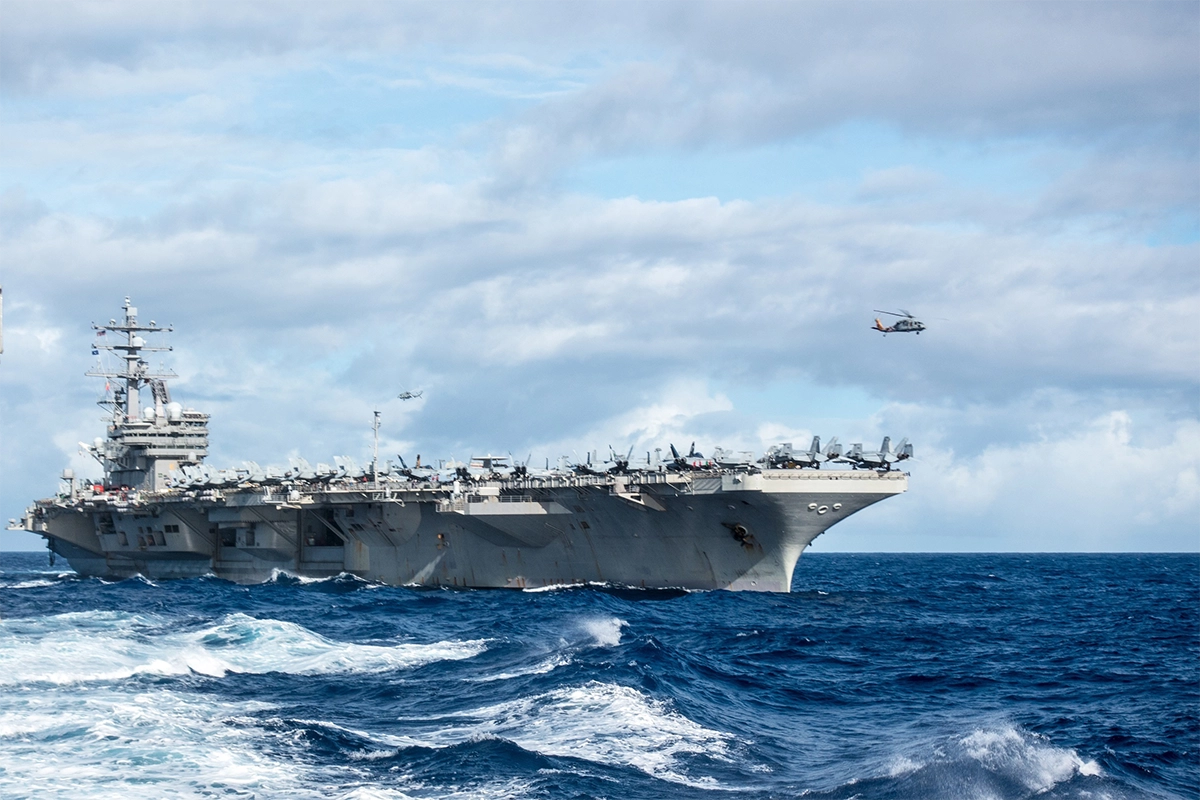
There is nothing simple about keeping a 100,000-ton nuclear supercarrier operational. Held together by more than a billion parts and crewed by over 5,000 sailors working around the clock, warships serve as a vital instrument of global power, making combat readiness paramount.
The CVN Readiness Operational Center (ROC) was built on the foundation of the Maintenance Operations Center (MOC) to act as a centralized hub for readiness data, analytics, and decision support. Yet despite the ROC’s modernization, key operational workflows still rely on manual, spreadsheet-dependent reporting to resolve equipment, maintenance, and personnel challenges.
Each week, these legacy workflows consume valuable staff hours, force leadership to decipher fragmented data across disparate systems, and introduce human error that undermines battlespace lethality.
It's a slow and antiquated process that called for an overhaul. Air answered that call.
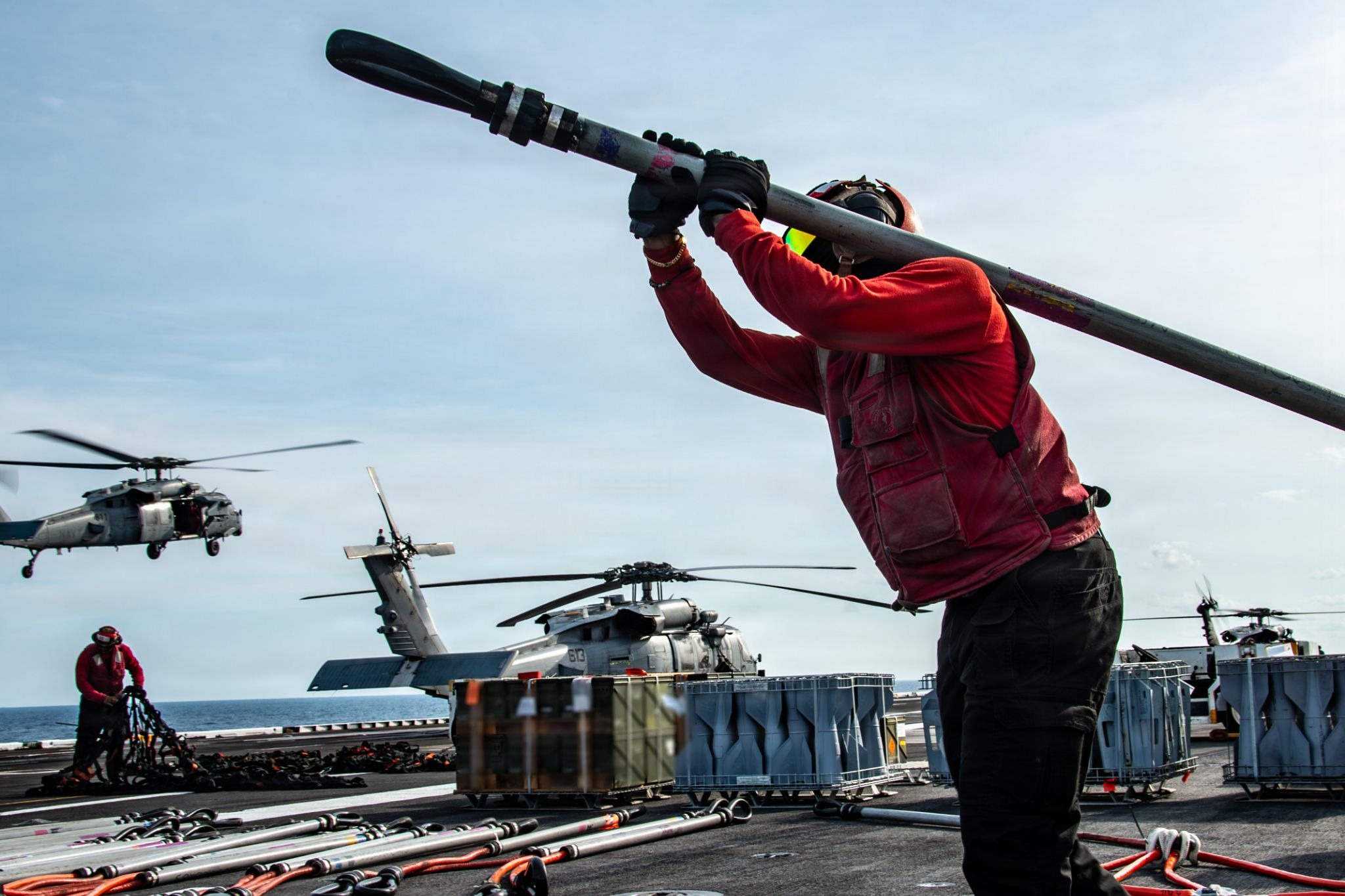
Recently, a Supply Officer (SUPPO) aboard a U.S. nuclear supercarrier leveraged Air Enterprise Readiness platform to transform a weekly, 300-manhour reporting task into a seven-minute process. By deploying the platform’s agentic AI layer across authoritative supply and maintenance sources, the SUPPO synthesized data from the Material Outstanding File (MOF), enabling supply ordering in a fraction of the time.
What once required hundreds of hours of manual compilation was delivered in minutes, instantly uncovering hidden maintenance gaps and giving leadership clear visibility into operational risks across the warship.
When the SUPPO demoed the Enterprise Readiness platform to the Maintenance and Material Management System Coordinator (3MC), both officers confirmed hidden operational risks that the agentic layer had uncovered, allowing them to triage and prioritize outstanding maintenance jobs far more effectively. In doing so, they turned a bottleneck-prone, reactive reporting process into an automated, predictive asset that now accelerates mission readiness.
By streamlining this critical process, Air Enterprise Readiness platform enhanced mission readiness for the warship by delivering:
This dramatic reduction in administrative overhead translates directly to lethality at sea: every hour reclaimed from data entry is an hour reinvested in crew training, tactical execution, and warfighter readiness. By replacing static spreadsheets with real-time intelligence, Air Enterprise Readiness platform ensures that when the call comes, the supercarrier and its 5,000-plus crew stand fully synchronized, equipped, and ready to operate at mission speed.
Learn how Air Enterprise Readiness platform unifies maintenance, lifecycle tracking, and parts management to accelerate mission readiness and lethality across the defense enterprise.
The Readiness Gap will not close through more reports, delayed reviews, or heroic workarounds.
See how Air Enterprise Readiness platform helps leaders understand readiness constraints, coordinate execution, and act with confidence before risk reaches the mission.